
Estate Planning Attorney in Wendell, NC

Wendell's Explosive Growth Creates Estate Planning Urgency
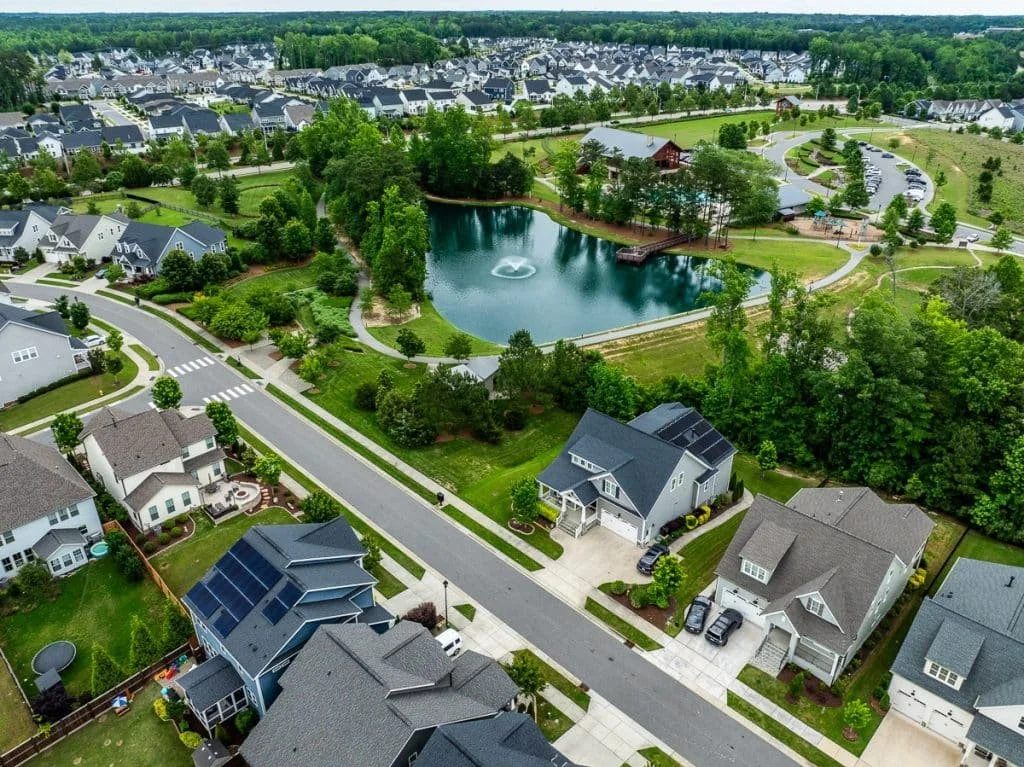
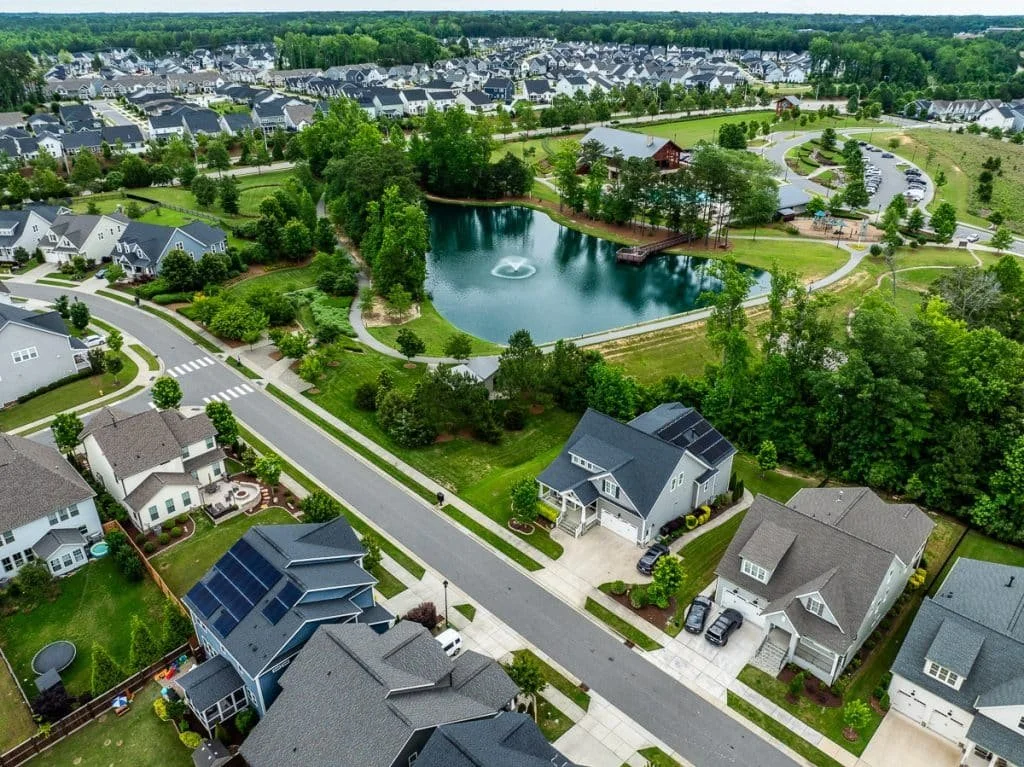
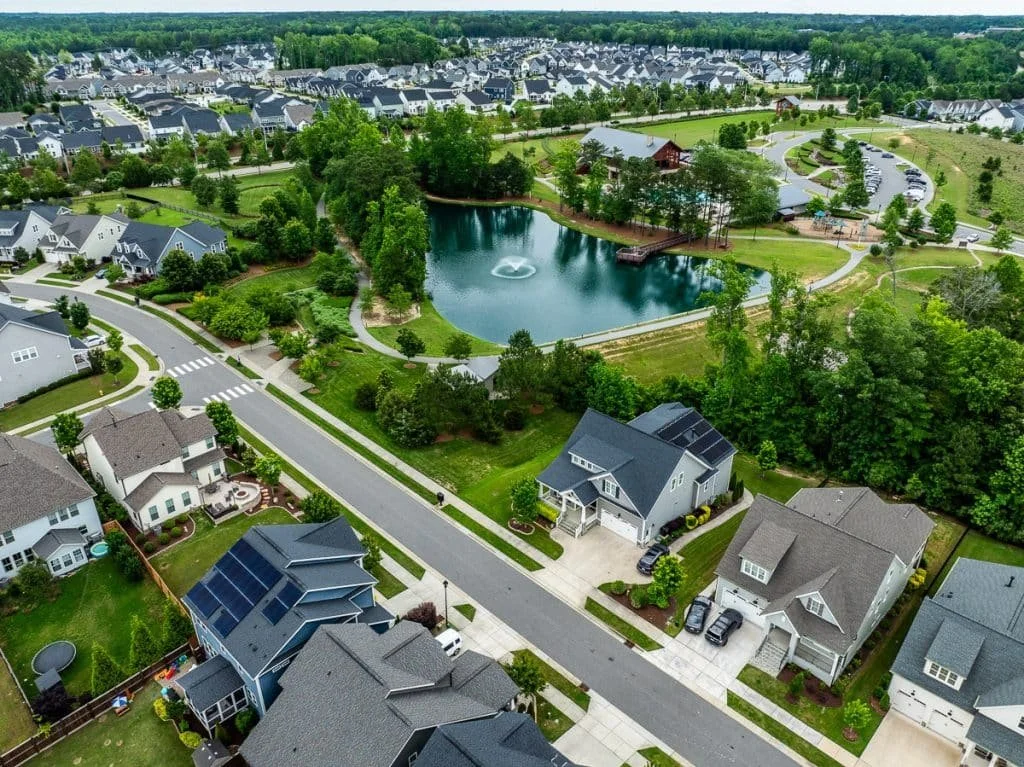
Wendell has been recognized as one of North Carolina's fastest-growing towns, with its population jumping from 9,793 in 2020 to an estimated 16,845 in 2024, a growth of about 72% in just a few years. That explosive expansion means thousands of families are moving here, buying homes in Wendell Falls, and building their futures in this thriving community. And honestly, many of these families are so focused on their new homes (commonly ranging from the mid-$300,000s into the high-$800,000s, with a town-wide median around $425,000) that they overlook something critical: what happens to the people you love if something happens to you.
Let me be very clear with you about something. If you're one of the thousands of families who moved to Wendell in the past few years, you may have an estate plan created under another state's law. That plan might be valid in North Carolina, but it may not address NC-specific issues like spousal rights, probate procedures in Wake County Superior Court, or guardianship designations that comply with North Carolina General Statutes Chapter 35A.
Here's what I want to share with you: In my years practicing estate planning throughout the great state of North Carolina, I've seen families torn apart because they put off these conversations. I've worked with clients who thought their out-of-state will was enough, only to discover their family faced complications during probate at the Wake County Courthouse in Raleigh.
This is not about being morbid. This is about having peace.
Quick Answer for Wendell Estate Planning Clients
What Wendell families need to know: If you live in Wendell, North Carolina law governs your estate plan regardless of where you created it. When someone dies without a will in Wake County, probate typically takes 6-18 months and costs $3,000-$10,000+, depending on estate size and complexity, that could have stayed with your family. Probate is handled through the Wake County Estates Division in downtown Raleigh (see below for address and logistics). North Carolina offers simplified procedures for estates under certain thresholds.
Where Do Wendell Residents File Probate?
Short Answer:
Short Answer: Wendell families file all probate matters at Wake County Superior Court, 316 Fayetteville Street, 12th Floor, Raleigh, NC 27601, where the Clerk of Superior Court oversees probate matters. The Estates Division handles all Wake County probate proceedings under North Carolina General Statutes Chapter 28A. Unlike families living closer to downtown Raleigh, Wendell residents face a 15-18 mile drive (approximately 20-30 minutes each way), making preparation essential to minimize courthouse visits during the 6-18 month probate process.
In Wendell, probate cases fall under North Carolina's estate administration statutes and must be filed at Wake County Superior Court's Estates Division at 316 Fayetteville Street, 12th Floor, Raleigh, NC 27601.
What this means for Wendell families:
Here's the thing: You can't just walk into the Wake County Courthouse without planning ahead. The Estates Division strongly encourages appointments due to high case volume. You'll need to schedule through their online booking system. The courthouse is open Monday through Friday, 8:30 AM to 5:00 PM, and the office closes at 5:00 PM sharp.
Let me walk you through what actually happens. From Wendell, you'll take US Route 64 West toward Raleigh or Interstate 87 South to I-440 West. Plan for 20-30 minutes in light traffic but allow 30-45 minutes during rush hour. Once you arrive at 316 Fayetteville Street in downtown Raleigh, parking can be challenging. Street parking is often full, so plan to use a nearby public garage. Budget $10-15 for parking, and arrive 15-20 minutes early for your appointment.
Documents you'll need for your first courthouse visit:
Original death certificate (certified copy accepted)
Original will (if one exists)
List of all assets and approximate values
Names and addresses of all heirs
List of known debts
Valid photo identification
The difference is stark between walking in prepared versus showing up without the right documentation. We help Wendell families gather everything needed before that first trip to Raleigh, so you don't waste time making multiple drives.
What Happens If You Die Without a Will in North Carolina?
Short Answer: When someone dies without a will in North Carolina (called dying "intestate"), state intestate succession rules under Chapter 29 determine who inherits your property, not you. Your family doesn't just lose you, they lose thousands of dollars in additional probate costs ($5,000-$15,000+, depending on estate size and complexity, versus $3,000-$6,000 with a will) and face 12-24 months of court supervision instead of 6-12 months. Wake County Superior Court appoints an administrator, and North Carolina's intestacy laws determine distribution regardless of your wishes.
In North Carolina, intestate estates require administration through Wake County Superior Court at 316 Fayetteville Street, 12th Floor, Raleigh, NC 27601, with mandatory court supervision throughout the process.
Let me share with you what we frequently see with Wendell families. When there's no will, here's what makes this complicated:
The intestacy process in Wake County:
Someone must petition the court. Usually the closest family member drives to Raleigh to start the process.
The court appoints an administrator. This person must post a bond (additional cost of $500-$2,000+) unless waived.
All heirs must be notified. The court requires proof of notice to every potential heir under NC law.
Inventory must be filed. Within 3 months of appointment under N.C. Gen. Stat. Section 28A-20-1.
Annual accountings required. More court supervision, more attorney fees, more trips to Raleigh.
Final distribution delayed. Everything takes longer without clear testamentary instructions.
And honestly, here's where the costs really add up: Additional attorney fees for navigating intestacy complications, bond premiums the court requires, extra court filings, and the time value of having your family's money tied up for months longer than necessary.
What North Carolina's intestacy laws actually mean:

How Long Does Probate Take in Wake County NC?
Short Answer: Probate in Wake County typically takes 6-18 months for straightforward estates with a will, and 12-24 months for intestate estates without a will. N.C. Gen. Stat. Section 28A-14-1 requires executors to notify creditors within 75 days of receiving letters, and creditors have 90 days to file claims. We regularly handle probate cases at Wake County Superior Court and understand the Estates Division's case management approach.
In Wake County, probate cases follow timelines established by North Carolina General Statutes Chapter 28A and are administered through Wake County Superior Court's Estates Division at 316 Fayetteville Street, Raleigh, NC 27601.
Here's what you need to understand about the actual timeline:
Month 1-2: Opening the estate
Locate the will (if one exists)
Travel to Wake County Courthouse in Raleigh
File application for probate
Executor takes oath before the Clerk
Letters Testamentary or Letters of Administration issued
Month 2-3: Creditor notice period
Publish notice to creditors (required by N.C. Gen. Stat. Section 28A-14-1)
Mail notice to all known creditors within 75 days
Creditors have 90 days from notice to file claims
Month 3-4: Inventory and appraisal
File complete inventory within 3 months of qualification
Appraise all assets
Identify all debts and liabilities
Month 4-12: Administration period
Pay valid creditor claims
Manage estate assets
File any required tax returns
Resolve disputes (if any arise)
Month 12-18: Closing the estate
File final accounting with the Clerk
Obtain court approval for distributions
Distribute assets to beneficiaries
Close the estate officially
If complications arise (will contests under N.C. Gen. Stat. Section 31-32, disputes among heirs, complex assets, or tax issues), probate can extend to 24+ months.
Factors that affect your Wendell family's timeline:
Estate complexity: Simple estates move faster than those with businesses or multiple properties
Creditor claims: Contested claims add months to the process
Family cooperation: Disagreements among heirs create delays and require additional court intervention
Executor responsiveness: Slow document gathering extends every phase
Court calendar: Wake County's high case volume means scheduling delays are possible
Do I Need Probate in North Carolina?
Short Answer: Not all assets require probate in North Carolina. Assets passing by beneficiary designation (life insurance, retirement accounts, payable-on-death accounts), jointly owned property with right of survivorship, and assets in revocable trusts avoid probate entirely. However, individually owned real estate, bank accounts without beneficiaries, and personal property typically require probate. Small estates under $20,000 ($30,000 if spouse is sole heir) may qualify for simplified procedures under N.C. Gen. Stat. Section 28A-25-1.
In North Carolina, probate requirements are governed by N.C. Gen. Stat. Chapter 28A, and small estate collection by affidavit is available for estates meeting value thresholds.
Let me walk you through what actually requires probate and what doesn't:
Assets that AVOID probate:
Life insurance policies: Pass directly to named beneficiaries
Retirement accounts (401(k), IRA): Transfer to designated beneficiaries
Payable-on-death (POD) bank accounts: Go directly to named individuals
Transfer-on-death (TOD) investment accounts: Pass to designated beneficiaries
Jointly owned property: With right of survivorship, passes to surviving owner
Revocable living trusts: Assets titled in trust name avoid probate entirely
Assets that REQUIRE probate:
Your Wendell home titled in your name only
Bank accounts without beneficiary designations
Investment accounts in your individual name
Vehicles titled solely in your name
Personal property (furniture, jewelry, collections)
Business interests without succession planning
The small estate exception:
If your loved one's estate is under $20,000 in probate assets (or under $30,000 if you're the surviving spouse and sole heir), you may be able to use a simplified affidavit process instead of formal probate under N.C. Gen. Stat. Section 28A-25-1. You must wait at least 30 days from the date of death before using this procedure.
Here's what I notice: Many Wendell Falls families buying their first homes focus on the house purchase and assume everything will "automatically" go to their spouse. That's not how North Carolina law works. Without proper planning, your $400,000 home requires full probate administration.
North Carolina Estate Planning Checklist for Wendell Families
Short Answer: A North Carolina estate plan includes: (1) Last Will and Testament complying with N.C. Gen. Stat. Chapter 31 requirements, (2) Revocable Living Trust if avoiding probate is a priority, (3) Durable Power of Attorney for financial decisions, (4) Healthcare Power of Attorney under North Carolina law, (5) Living Will (Advance Directive), and (6) Guardianship designations for minor children. Wendell families should review plans when moving from other states, as North Carolina law governs all property located here.
In North Carolina, estate planning documents must comply with NC General Statutes requirements and are filed at Wake County Superior Court only after death for probate purposes.
Essential estate planning documents:
1. Last Will and Testament
Designates who receives your property
Names guardian for minor children (critical for Wendell Falls families with young kids)
Appoints executor to handle your estate
Must be written, signed, and witnessed per NC law
Does NOT avoid probate but simplifies the process
2. Revocable Living Trust
Allows assets to pass without probate
Maintains privacy (unlike wills, which become public record)
Provides management if you become incapacitated
Requires retitling assets into trust name
Particularly valuable for Wendell homeowners with $300,000+ properties
3. Durable Power of Attorney
Authorizes someone to handle financial decisions if you're incapacitated
Remains effective even if you become mentally incompetent
Without this, your family petitions Wake County Court for guardianship ($3,000-$6,000+ process)
4. Healthcare Power of Attorney
Names healthcare decision-maker under North Carolina law
Covers medical decisions if you cannot communicate
Essential if you're in an accident on Interstate 87 or US Route 64 commuting to work
5. Living Will (Advance Directive)
Documents your wishes about life-sustaining treatment
Provides guidance to healthcare providers and family
Reduces family conflict during medical crises
6. Guardianship Designations
Names who will raise your minor children
Prevents Wake County Child Protective Services involvement in determining custody
Most important document for young Wendell families
What to do after creating your estate plan:
Store original documents securely (not in safe deposit box, hard to access after death)
Provide copies to named executors and agents
Review beneficiary designations on all accounts
Update plan after major life changes (birth, death, divorce, home purchase)
Review every 3-5 years to ensure North Carolina law compliance
20–45 minutes
5–15 minutes
15–25 minutes
How Wendell Estate Planning Differs from Other Triangle Communities
Unlike Raleigh or Cary residents who live closer to Wake County Superior Court, Wendell families face unique considerations:
Geographic considerations:
What makes Wendell different:
New resident transfers: Families moving from other states need NC-compliant estate plans
Young families: Wendell Falls buyers in 30s-40s need guardianship planning prioritized
First-time homeowners: Many entering estate planning market for the first time
Commuter population: Daily I-87/US 64 travel increases planning urgency
Old Wendell versus New Wendell:
Long-time residents sitting on appreciated land need different planning than Wendell Falls families. Legacy residents may own property worth $500,000+ that was valued at $50,000 twenty years ago. New residents focus on accumulation-phase planning, guardianship, and mortgage payoff strategies.
The difference is night and day between these two groups' estate planning needs.
Why Choose The Walls Law Group for Your Wendell Estate Plan
Our Wendell and Wake County Experience:
We have served North Carolina families with estate planning, probate, and business planning since 2009. We regularly handle probate matters at Wake County Superior Court and understand the Estates Division's procedures, appointment requirements, and case management approach.
Credentials:
Jason Walls, JD: Licensed North Carolina attorney
Campbell University School of Law, J.D.
Adjunct Professor at Campbell University School of Law
Member, North Carolina Bar Association
Member, WealthCounsel (national organization of estate and tax attorneys)
Court Familiarity:
We understand Wake County Superior Court's probate procedures, including:
Estates Division filing requirements at 316 Fayetteville Street, 12th Floor
Appointment scheduling through the Estates Division booking system
Inventory deadlines under N.C. Gen. Stat. Section 28A-20-1
Creditor notice requirements under N.C. Gen. Stat. Section 28A-14-1
Small estate affidavit procedures when appropriate
Serving Wendell Families:
We would be happy to meet with you at our office or conduct virtual consultations for your convenience. We understand that Wendell residents face a commute to Raleigh, and we work to make the estate planning process as efficient as possible.
Practice Areas:
Estate Planning (wills, trusts, powers of attorney)
Kids Protection Planning (guardianship designations)
Business Planning (LLC formation, succession)


What to Do in the Next 30 Days
If you're a Wendell resident without an estate plan (or with an outdated plan from another state), here's what I want to strongly recommend you do:
Week 1: Information gathering List all assets, identify current beneficiary designations, consider guardians for minor children, and locate any existing estate planning documents.
Week 2: Consult with a North Carolina estate planning attorney Discuss your family situation, review any out-of-state documents for North Carolina compliance, understand costs and timeline, and ask about guardianship planning if you have minor children.
Week 3: Make decisions and move forward Choose your executor, trustees, guardians, and agents. Decide between will-based plan or trust-based plan. Schedule document signing and plan for implementation (retitling assets, beneficiary changes).
Don't leave this up to chance. Your family deserves the protection that comes from having a plan in place.
Short Answer: Not all assets require probate in North Carolina. Assets passing by beneficiary designation (life insurance, retirement accounts, payable-on-death accounts), jointly owned property with right of survivorship, and assets in revocable trusts avoid probate entirely. However, individually owned real estate, bank accounts without beneficiaries, and personal property typically require probate. Small estates under $20,000 ($30,000 if spouse is sole heir) may qualify for simplified procedures under N.C. Gen. Stat. Section 28A-25-1.
In North Carolina, probate requirements are governed by N.C. Gen. Stat. Chapter 28A, and small estate collection by affidavit is available for estates meeting value thresholds.
Let me walk you through what actually requires probate and what doesn't:
Assets that AVOID probate:
Life insurance policies: Pass directly to named beneficiaries
Retirement accounts (401(k), IRA): Transfer to designated beneficiaries
Payable-on-death (POD) bank accounts: Go directly to named individuals
Transfer-on-death (TOD) investment accounts: Pass to designated beneficiaries
Jointly owned property: With right of survivorship, passes to surviving owner
Revocable living trusts: Assets titled in trust name avoid probate entirely
Assets that REQUIRE probate:
Your Wendell home titled in your name only
Bank accounts without beneficiary designations
Investment accounts in your individual name
Vehicles titled solely in your name
Personal property (furniture, jewelry, collections)
Business interests without succession planning
The small estate exception:
If your loved one's estate is under $20,000 in probate assets (or under $30,000 if you're the surviving spouse and sole heir), you may be able to use a simplified affidavit process instead of formal probate under N.C. Gen. Stat. Section 28A-25-1. You must wait at least 30 days from the date of death before using this procedure.
Here's what I notice: Many Wendell Falls families buying their first homes focus on the house purchase and assume everything will "automatically" go to their spouse. That's not how North Carolina law works. Without proper planning, your $400,000 home requires full probate administration.
What NOT to Do When Estate Planning in Wendell
Mistakes we frequently see:
Assuming your out-of-state will is sufficient: It may be valid but might not address North Carolina-specific issues
Thinking "everything automatically goes to my spouse": Not true if you have children from previous relationships under NC intestacy laws
Naming only one guardian: What if that person can't serve? Always name alternates
Forgetting to update beneficiary designations: Beneficiaries override your will, keep them current
Putting estate planning documents in your safe deposit box: Banks may seal boxes after death, delaying access
Assuming a will avoids probate: It doesn't, but it makes probate simpler and less expensive
Waiting until after you buy your Wendell home: Do this BEFORE or immediately after purchase
Using online forms without legal review: North Carolina has specific requirements that generic forms may miss

-
Basic estate planning (will, powers of attorney, healthcare directives) typically costs $1,500-$3,000 for individuals and $2,000-$5,000 for couples in the Triangle area. Revocable trusts add $3,000-$5,000+ depending on complexity. This investment can help avoid $5,000-$15,000+ in probate costs, depending on estate size and complexity. We would be happy to discuss transparent pricing during your consultation.
-
Yes. Under N.C. Gen. Stat. Section 31-32, will contests (called "caveats") must be filed at the time of probate or within 3 years after probate. Caveats are filed with the Clerk of Superior Court but heard by Superior Court judges. Grounds include lack of testamentary capacity, undue influence, fraud, or improper execution. Earlier challenges are more effective before asset distribution.
-
File Articles of Organization with the North Carolina Secretary of State at 2 South Salisbury Street, Raleigh. Filing fee is $125 for domestic LLCs. You'll need a registered agent with a North Carolina physical address. Processing takes 5-7 business days standard, with expedited options available. We handle business formation and help integrate business interests with your estate plan.
-
A revocable trust is a legal entity governed by N.C. Gen. Stat. Chapter 36C that holds your assets during your lifetime and distributes them after death without probate. You maintain complete control as trustee, can change or revoke the trust anytime, and assets pass privately to beneficiaries. Wendell homeowners with properties worth $300,000+ often benefit from trusts to avoid the 6-18 month Wake County probate process. We help determine if a trust fits your situation.
-
Review your North Carolina estate plan every 3-5 years or after major life events: marriage, divorce, birth of children, death of named guardians/executors, significant asset changes, home purchases (like buying in Wendell Falls), or moves from other states. If you created your plan under another state's law before moving to Wendell, schedule a North Carolina compliance review immediately.
-
Without guardianship designations in your will, Wake County Child Protective Services may become involved in determining temporary custody while the court appoints a permanent guardian under N.C. Gen. Stat. Chapter 35A. This process is stressful for children and may result in guardians you wouldn't have chosen. Naming guardians in your will (with alternates) ensures your wishes are known and reduces court involvement. This is the most important estate planning document for young Wendell families.
-
Wendell probate is filed at Wake County Superior Court, 316 Fayetteville Street, 12th Floor, Raleigh, NC 27601. See the "Where Do Wendell Residents File Probate?" section above for complete details on address, appointments, parking, and what to bring.
Frequently Asked Questions About Wendell Estate Planning
Wendell's Growth Makes Estate Planning More Important Than Ever
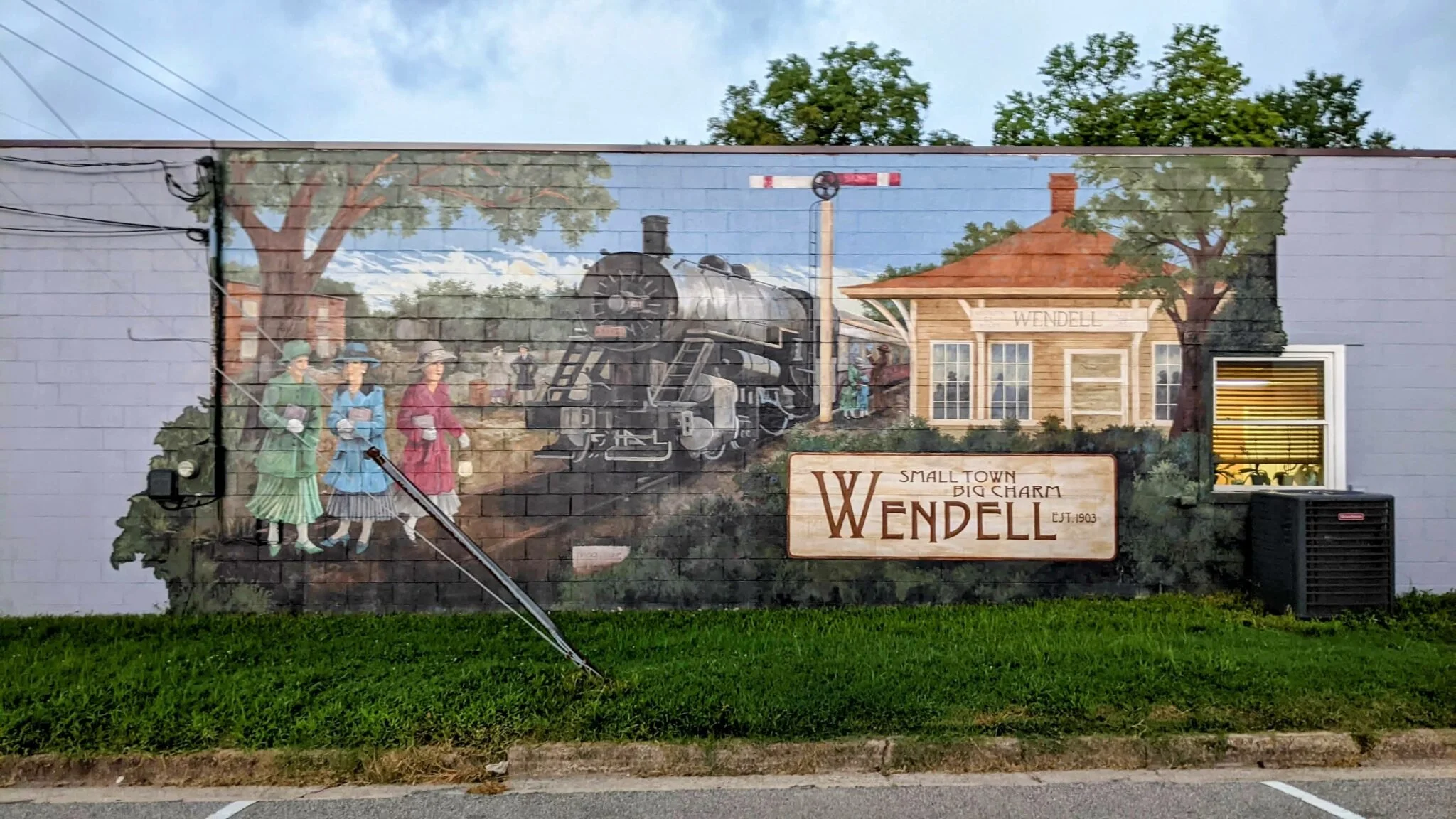
Wendell families are building significant equity and income, which makes proper planning more important. I've worked with clients who thought they had "plenty of time," until a traffic accident on Interstate 87 changed everything.
You cannot show up for something larger than yourself when you are consumed with worry about what happens to the people you love if something happens to you. Peace is something you create through intentional choices and deliberate preparation.
Let me be very clear with you about something: Estate planning isn't just about you. You're not just protecting yourself. You are extending peace and security to your spouse, your children, and everyone who depends on you.

Ready to Discuss Your Wendell Estate Plan?
The Walls Law Group
Serving Wendell, Raleigh, Cary, Durham, and Wake County since 2009
Phone: (919) 647-9599
Website: www.wallslawnc.com
We understand that Wendell families face a commute to Raleigh for most legal services, which is why we offer both in-office consultations and virtual meetings for your convenience.
If we can be of assistance to you in creating an estate plan, navigating probate, forming a business entity, or protecting your family's future, please reach out to us at (919) 647-9599 or visit our estate planning services page.
We regularly handle estate planning and probate matters for Wendell families and understand the unique needs of this rapidly growing community. Your family deserves the protection that comes from having a plan in place.
And honestly, isn't that what the people you love deserve?
Related Services:
Legal Disclaimer: This page provides general information about estate planning, probate, and business planning law in Wendell, North Carolina. It is not legal advice. Every family's situation is different, and outcomes depend on unique facts and circumstances. Reading this information does not create an attorney-client relationship. For specific advice about your estate planning needs, contact a licensed North Carolina attorney. This page is for educational purposes only and does not constitute legal advice. The information provided is general in nature and may not apply to your specific situation. North Carolina estate planning and probate laws are complex and change periodically. For specific legal guidance tailored to your circumstances, contact an experienced North Carolina estate planning attorney. Contacting us does not create an attorney-client relationship. Please do not send confidential information until an attorney-client relationship has been established.